

The functional organisation of the cell is behind all biological processes. Cell dysfunctions are the cause of pathologies such as developmental abnormalities, neurodegenerative diseases and cancers. The course Cellular Mechanisms and Signalling offers a unique opportunity to study the cellular machinery in all its complexity, combining the latest experimental approaches in biochemistry, molecular biology, genomics and imaging.
The 1st year Master's Cellular Mechanisms and Signalling is organised around four blocks of knowledge and competencies: Methods and Fundamentals for the Study of Living Organisms (12.5 ECTS) A springboard to an integral understanding of the life sciences! Strengthen key disciplines (scientific English, cellular and molecular biology, biochemistry, cell signalling and genomics) while developing the essential methodological competencies for analysing biological systems. MCS Major (25 ECTS)** Give your 1st year Master's a specific focus by choosing from among the many TUs offered in the core of your course. Minor (10 ECTS) Broaden your scientific culture to develop a cross-disciplinary approach. Immersion in Research (12.5 ECTS) Dive right into the heart of research: Draft a bibliographic dissertation and complete an 8-week laboratory internship. For the more inquisitive, combine the core TUs of two Majors to develop a double course.


Information
Skills
Competency 1: Scientific approach C1. Take a scientific approach, develop innovative ideas and produce new knowledge. Competency 2: Expertise, critical thinking and self-training C2. Acquire highly specialised disciplinary knowledge and methodologies in one field and at the interface of several fields of work (complex interdisciplinarity) Competency 3: Scientific communication C3.3: Extract and scrutinise relevant information from scientific documents or lectures in English. Competency 4: Professional soft skills C4. Analyse and adapt actions to a professional context
Objectives
The Cellular Mechanisms and Signalling course in the Master of Molecular and Cellular Biology offers a curriculum through and for research. You will consolidate your disciplinary foundations, learn to analyse scientific literature, lead projects and work on specific problems, while enjoying the freedom to personalise your course according to your preferences and ambitions. Plan your course now using the online tool: \https://master-biologie-sante.eu/parcours/index.php]. In particular, the Cellular Mechanisms and Signalling Major allows you to explore the mechanisms that regulate the progression and functioning of cells, a key aspect in life sciences and health. In particular, this research paves the way for identifying new therapeutic targets in a range of pathological contexts. The available TUs allow you to learn about the latest techniques in biochemistry, molecular biology, genomics, biophysics and cellular and molecular imaging, and to develop a multi-level approach to cellular functioning. The topics covered include, in particular: - the morphodynamics of membranes, - the study of the cytoskeleton and its functions, - cell signalling in different models and at different scales Finally, you will explore the consequences of when these mechanisms are impaired, by studying various pathologies, reinforcing the relevance and impact of your learning for current biomedical issues. This flexibility of this course allows you to plan your curriculum and start developing targeted expertise in the disciplines that interest you and where you plan to pursue your studies for your 2nd year Master's.
Career Opportunities
Career prospects
After a Master's + PhD: researcher or lecturer
Research & Development Engineer
Research and Innovation Manager
Research or Design Engineer
Research professions
Further Study Opportunities
M2 Gene, Cell, Development and Diseases
M2 Systems and Synthetic Biology
2nd yea Master of Biology of ageing
2nd year Master of Oncology
2nd year Master of Endocrinology and metabolism
2nd year Master of Immunology
2nd year Master of Immune Interactions and Cellular Engineering
2nd year Master of Reproduction and Development
2nd year Master's Training in Higher Education in Life Sciences: 'Agrégation' Life Sciences - Earth and Space Sciences
Admission Route
Capacity
Available Places
Target Audience and Entry Requirements
Hold a National undergraduate degree in Life Sciences or Life and Earth Sciences, obtained before September 1st of the academic year for which you are applying. Have a solid foundation in the fundamentals of biology: Molecular biology, cell biology, biochemistry, genetics. Must have validated TUs in the 2nd/3rd year undergraduate degree in line with the themes of the relevant course. For French-speaking international students: Have a diploma equivalent to an undergraduate degree in Life Sciences, guaranteeing the same prerequisites, obtained before 1st September of the academic year for which you are applying. If your full-time academic programme is highly specialised, we recommend that you first apply for a 3rd year undergraduate degree in Life Sciences (National diploma). Required level of French: C1 (certification). For English-speaking international students: You may apply to the International track in France if you graduated with a Bachelor degree, major in Biology, or if you will graduate before Sept 1st of the academic year for which you apply.
Application Period(s)
From 15/01/2026 to 16/03/2026
From 19/06/2026 to 25/06/2026
From February 17th to March 16th, 2026
To find out which platform you should apply through, please see the Masters' applications and enrolment page.
Supporting documents
Compulsory supporting documents
Motivation letter.
All transcripts of the years / semesters validated since the high school diploma at the date of application.
Curriculum Vitae.
Additional supporting documents
VAP file (obligatory for all persons requesting a valuation of the assets to enter the diploma).
| Subjects | ECTS | Semester | Lecture | directed study | practical class | Lecture/directed study | Lecture/practical class | directed study/practical class | distance-learning course | Project | Supervised studies |
|---|---|---|---|---|---|---|---|---|---|---|---|
| Préparation au M1 - site Evry | 0 | Semestre 1 | 15 | ||||||||
| Préparation au M1 Sites Orsay - Versailles | 0 | Semestre 1 | 25 | ||||||||
| Subjects | ECTS | Semester | Lecture | directed study | practical class | Lecture/directed study | Lecture/practical class | directed study/practical class | distance-learning course | Project | Supervised studies |
|---|---|---|---|---|---|---|---|---|---|---|---|
| Groupe Socle - Anglais S1 | |||||||||||
| Anglais Scientifique Santé | 2.5 | Annualisé | 12.5 | 12.5 | |||||||
| English for Sciences ORSAY | 2.5 | Semestre 1 | 25 | ||||||||
| Anglais S1 UEVE | 2.5 | Annualisé | |||||||||
| Anglais S1 UVSQ | 2.5 | Semestre 1 | |||||||||
| Intercultural Communication Project EUGLOH | 2.5 | Semestre 1 | 24 | ||||||||
| BIOMEX | |||||||||||
| BIOMécanismes et EXploration multi-échelle (BIOMEX) | 10 | Semestre 1 | 31 | 56 | 22 | ||||||
| Subjects | ECTS | Semester | Lecture | directed study | practical class | Lecture/directed study | Lecture/practical class | directed study/practical class | distance-learning course | Project | Supervised studies |
|---|---|---|---|---|---|---|---|---|---|---|---|
| IR.fr | |||||||||||
| Projet scientifique | 5 | Semestre 2 | 4 | ||||||||
| Stage | 7.5 | Semestre 2 | 4 | ||||||||
| IR.en | |||||||||||
| Internship | 7.5 | Semestre 2 | 4 | ||||||||
| Scientific project | 5 | Semestre 2 | 4 | ||||||||
| Autres Stages IR | |||||||||||
| Stage expérimental (cursus Santé UVSQ) | 5 | Semestre 2 | 2 | ||||||||
| Stage facultatif | 0 | Semestre 2 | |||||||||
| Stage expérimental (cursus Santé KB) | 2.5 | Semestre 2 | |||||||||
| Subjects | ECTS | Semester | Lecture | directed study | practical class | Lecture/directed study | Lecture/practical class | directed study/practical class | distance-learning course | Project | Supervised studies |
|---|---|---|---|---|---|---|---|---|---|---|---|
| Préparation au M1 - site Evry | 0 | Semestre 1 | 15 | ||||||||
| Préparation au M1 Sites Orsay - Versailles | 0 | Semestre 1 | 25 | ||||||||
| Subjects | ECTS | Semester | Lecture | directed study | practical class | Lecture/directed study | Lecture/practical class | directed study/practical class | distance-learning course | Project | Supervised studies |
|---|---|---|---|---|---|---|---|---|---|---|---|
| Groupe Socle - Anglais S1 | |||||||||||
| Anglais Scientifique Santé | 2.5 | Annualisé | 12.5 | 12.5 | |||||||
| English for Sciences ORSAY | 2.5 | Semestre 1 | 25 | ||||||||
| Anglais S1 UEVE | 2.5 | Annualisé | |||||||||
| Anglais S1 UVSQ | 2.5 | Semestre 1 | |||||||||
| Intercultural Communication Project EUGLOH | 2.5 | Semestre 1 | 24 | ||||||||
| BIOMEX | |||||||||||
| BIOMécanismes et EXploration multi-échelle (BIOMEX) | 10 | Semestre 1 | 31 | 56 | 22 | ||||||
| Subjects | ECTS | Semester | Lecture | directed study | practical class | Lecture/directed study | Lecture/practical class | directed study/practical class | distance-learning course | Project | Supervised studies |
|---|---|---|---|---|---|---|---|---|---|---|---|
| IR.fr | |||||||||||
| Projet scientifique | 5 | Semestre 2 | 4 | ||||||||
| Stage | 7.5 | Semestre 2 | 4 | ||||||||
| IR.en | |||||||||||
| Internship | 7.5 | Semestre 2 | 4 | ||||||||
| Scientific project | 5 | Semestre 2 | 4 | ||||||||
| Autres Stages IR | |||||||||||
| Stage expérimental (cursus Santé UVSQ) | 5 | Semestre 2 | 2 | ||||||||
| Stage facultatif | 0 | Semestre 2 | |||||||||
| Stage expérimental (cursus Santé KB) | 2.5 | Semestre 2 | |||||||||
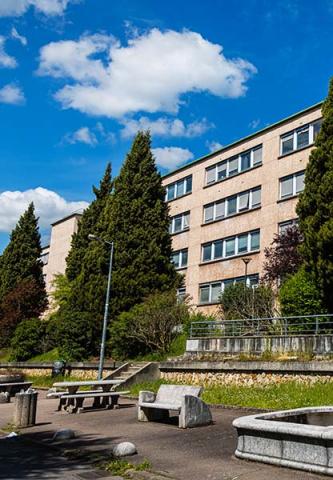
Training campus

Contact
-
Frederic COQUELLE